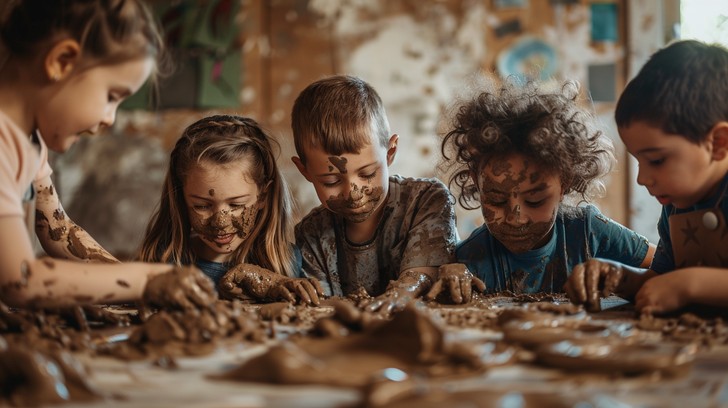
Muddy hands, happy faces
I remember spending most of my days as a kid outside on the estate with the other kids. We rode bikes, played football, and dashed rose hips at each other. I used to travel on the bus every weekend to go to the more rural part of town, walking in streams, running through fields, and shivering in the rain because we thought we were tougher than that.
I also remember having to get the bus into town to go shopping with my mum and that wasn’t exactly fun.
The past is often seen as better than the present. We put on ‘rose-tinted’ glasses that change our view of it. Usually I agree with that, but when talking about mud I have to say it really was better in the olden days.
There are some people who say that our kids don’t get dirty enough1. They say that we live in a time when people avoid getting dirty because they believe there’s a big risk of getting ill.
I’m not sure if you’ve thought about this before, but there is a difference between being ‘dirty’ and being ‘unhygienic’ (or ‘unclean’). Being dirty means touching soil and nature and it getting on our clothes and skin. Being unhygienic means acting in a way that makes getting ill more likely.
Being dirty isn’t a bad thing. It’s a very good thing, especially for young kids. It seems obvious to say it, but our bodies are born into a world that includes other living things. We live side-by-side with all sorts: dogs, trees, mushrooms, grass, soil… but we also live with bacteria.
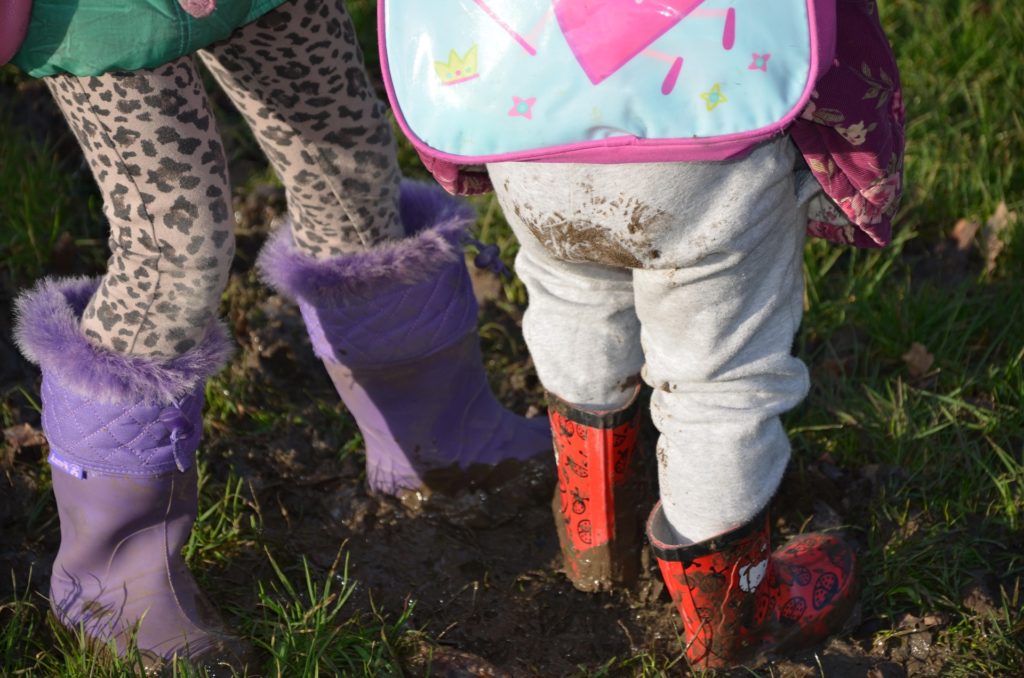
Most people don’t know this, but nearly all the known bacteria out there can’t get humans ill. There is less than 1% of all bacteria that can make us ill. We make sure we avoid this 1% by being hygienic and doing things like washing our hands, using different knives and chopping boards for meats and veg, and covering our mouths when we cough. The majority of bacteria is actually good for us and helps us develop healthy bodies.
So why do we fear our kids getting ‘dirty’?
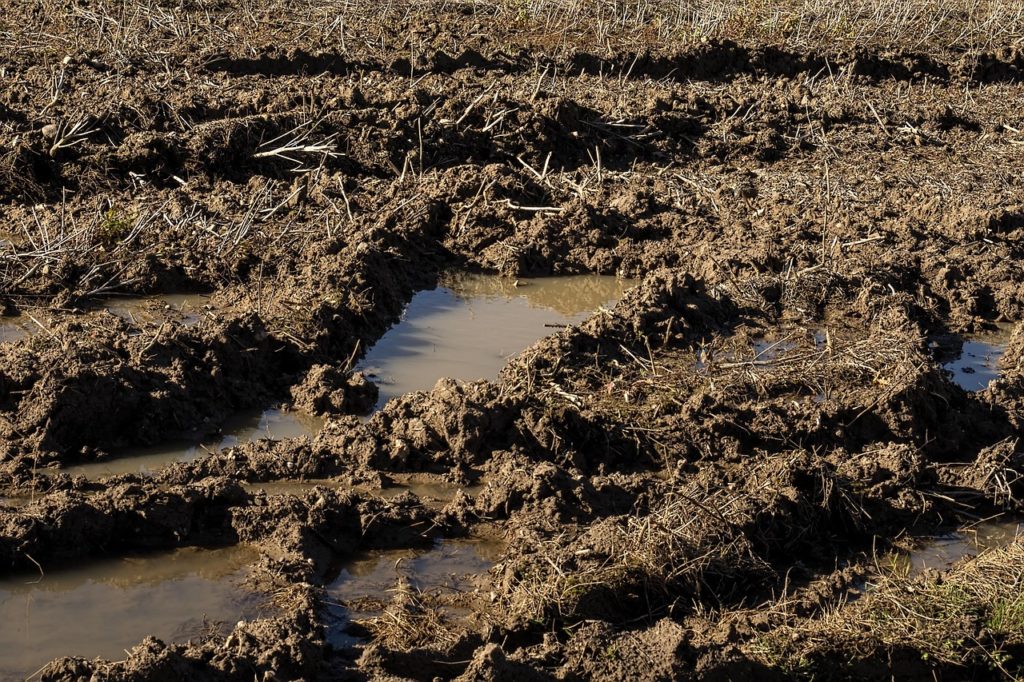
I reckon it’s probably to do with Covid. That really messed with our heads and our societies.
(It’s probably also that we think they’ll get worms in their bum. The main reason this is so common is because our kids don’t wash their hands enough. It has very little to do with the soil).
But if we take a moment and breathe…
We’ll realise that Covid wasn’t in the soil.
It wasn’t in the bark of the oak or the leaf of the elder.
It wasn’t in the earth.
If kids don’t get their hands in soil, their lungs full of fresh air, and their eyes on nature, it can have a bad effect on them growing up. Our bodies are shaped by what’s around us. If a human body doesn’t know what bacteria exists in the earth, it can’t learn to harmonize with it, grow with it, and benefit from it.
But it’s not just for kids.
Often when I go out walking, I’ll grab a handful of mud and play with it, squashing it through my fingers, rolling it into a ball, flattening it again, over and over until it’s dry. As well as keeping the restlessness in check, my skin is benefitting from the contact, from the good bacteria in the soil.
I’m not saying we shouldn’t be cautious when letting our kids play outside. I’m saying we should be informed about the actual risks of them doing so. Once we know what these are – and how to manage them – we can breathe a sigh of relief and let that stress roll off our shoulders. Then we can get back to letting our children grow how they’ve always grown, for thousands upon thousands of years:
with muddy hands and happy faces.
1 From risky play to dirty play: why young children need ‘dirty’ nature play in their lives by Alexia Barrable and Jake M. Robinson (https://www.tandfonline.com/doi/pdf/10.1080/21594937.2025.2611567)
Bravo Arte!
This made me smile so much. 🙌
Somewhere along the way we started acting like mud is the enemy… when for most of human history it’s basically been our childhood playground. Kids + dirt = a perfectly natural partnership.
An oak tree has never given anyone a virus and a handful of soil has probably built more immune systems than it’s harmed.
Working with children outdoors, I see it all the time — the moment they’re allowed to dig, climb, splash, or just get gloriously muddy, something switches on. Curiosity, confidence, calm… it all shows up.
Also, as an adult I fully support the occasional “grab a handful of mud and squish it” moment. Very underrated therapy.
Here’s to muddy hands, fresh air, and kids growing up the way humans always have — outside.